To Sock or Not to Sock

To Sock or Not to Sock

A seasonal, honest guide to wearing loafers bare-ankled, or not

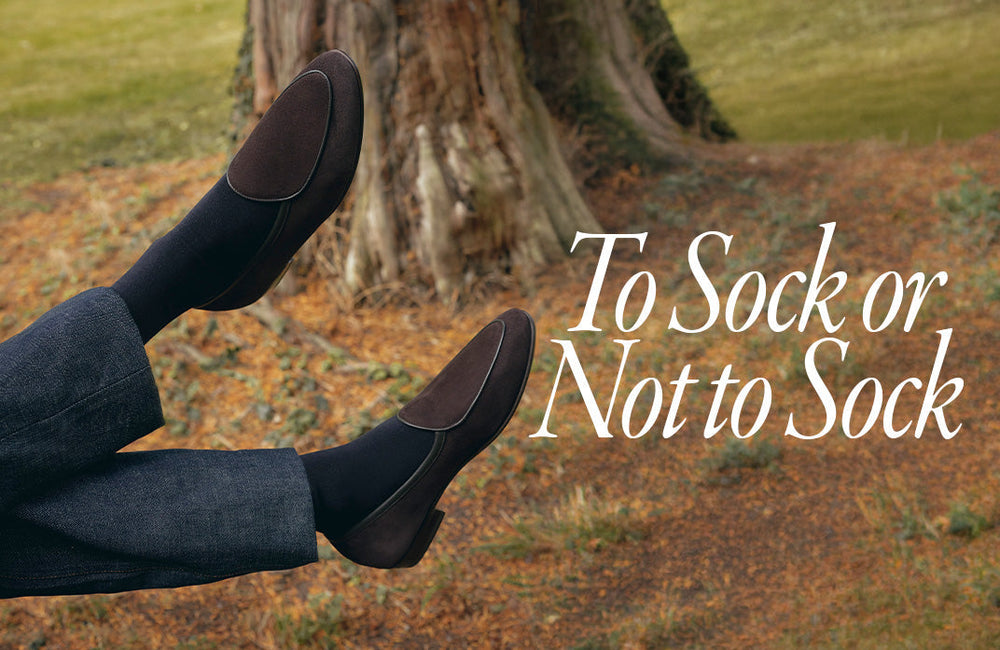
To Sock or Not to Sock?

The question is older than the shoe. And the honest answer, after seventy years of the silhouette being worn by some of the most considered dressers on either side of the Atlantic, is this: it depends on the season, on the setting, on the register of the rest of the outfit, and ultimately on the person wearing them.

Both are correct. Neither is wrong. The decision is one of the small pleasures of owning a pair of Baudoin & Lange loafers and, because every pair we make is fully unlined and built on a breathable, cushioned insole, it is a decision the wearer is genuinely free to make either way.

Why this is genuinely a personal choice

Most men instinctively avoid going sockless in a dress shoe, and for good reason. A traditional lined leather shoe was never designed to be worn against bare skin. The internal lining absorbs moisture, the closed environment encourages bacteria, and by the end of a warm afternoon the shoe smells, the foot blisters, and the lining begins to break down. The advice to "always wear socks" is not a style rule. It is a practical concession to how most dress shoes are built.

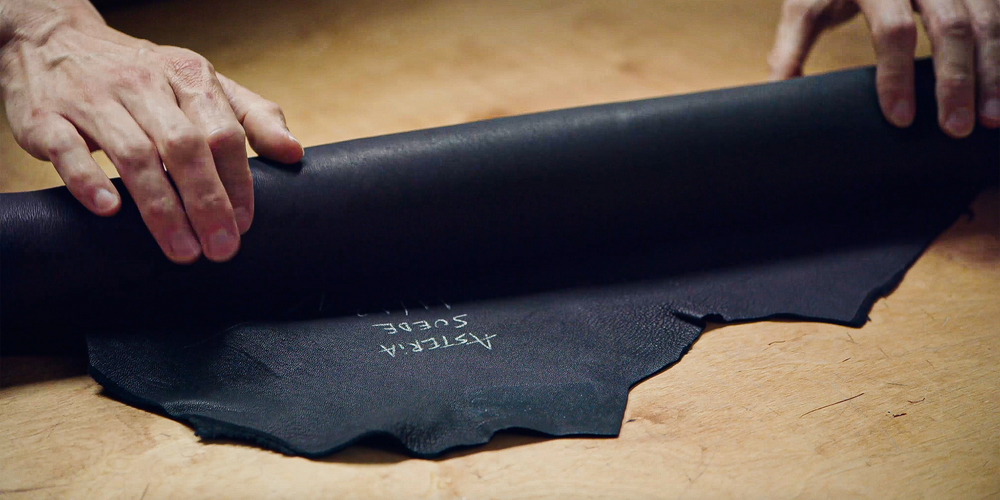
A Baudoin & Lange loafer is built differently. Every Sagan in the range is fully unlined: the upper itself, most often our bespoke Asteria suede or the finest Mediterranean lamb, is the material the foot meets, chosen and tanned with that direct contact in mind. The shoe breathes, moisture wicks rather than pools, and the leather develops a patina with bare wear rather than a problem. Combined with the proprietary B&L® insole, full-length leather over a carved memory-foam inset, the shoe is comfortable against the bare foot from the first wear to the last.

This is the architectural reason the sockless question, for our clientele, is genuinely a question of preference. The shoe is built to allow it.

The seasonal logic

The simplest way to think about the question is by season.

Spring and summer: sockless is the natural choice. A bare ankle reads as warm-weather dressing. It lightens the silhouette, exposes the considered line where the trouser meets the shoe, and signals, to the wearer and to anyone else, that the day is unhurried. In our suede palette, the lightest tones come into their own here: sahara, stone, the softer browns. A Sagan worn bare-ankled with a linen trouser is one of the small definitions of a summer well dressed.

Autumn and winter: a sock is the considered choice. The temperature alone makes the case, but so does the register: heavier trousers, denser fabrics, more formal occasions. A fine over-the-calf sock in a tone close to the trouser, charcoal with grey flannel, navy with navy, chocolate with chocolate cord, completes the line rather than interrupting it. The shoe still feels like itself; the outfit reads as appropriate to the weather.

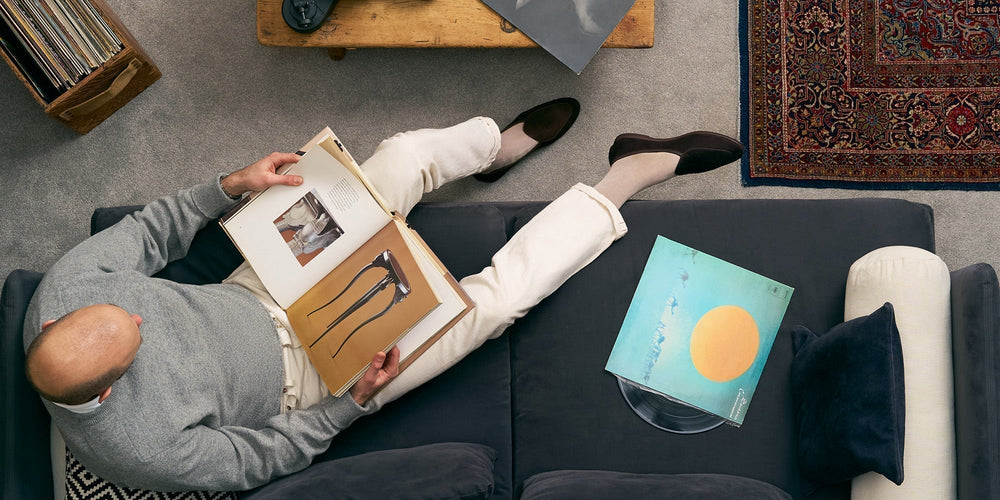
The transitional months: both are correct. A March afternoon may begin warm enough to go sockless and end cold enough to regret it. Many of our clientele carry a discreet no-show sock for exactly this kind of day, slipped on when the warmth fades. There is no fashion verdict to enforce here; the body's own thermostat is the final referee.

What it does to the look

Beyond temperature, the choice shifts the register of the outfit.

Without socks, the look becomes more relaxed. The bare ankle introduces a note of ease that travels up through the rest of the outfit. A jacket and tailored trouser read less like business attire and more like a Saturday lunch; a linen suit reads less like a uniform and more like a holiday. This is the pared-down register the silhouette was first loved for.

With socks, the look becomes more considered and more complete. The line of the trouser continues unbroken to the shoe. The outfit reads as deliberate: appropriate, settled, ready for any room it might enter. This is the register a suit asks for, and a winter dinner, and a working day in a serious office.

Both are correct. Most of our clientele move between them over the course of a week.

Without socks: outfits and occasions


A short, illustrative list of outfits we see worn often, and the kinds of moments they fit.

A Sagan Classic in sahara Asteria suede, with cream linen trousers and an open-collar linen shirt. A long summer lunch on a terrace. A dinner in a Mediterranean coastal town. Anywhere the dress code is "considered, but no one will be wearing a tie."

A Sagan Classic Tassel in midnight navy suede, with stone-coloured cotton drill trousers and an unstructured navy blazer. A weekend lunch in town. A gallery opening in early summer. A meeting where the outfit is meant to read intelligent, not formal.

A Sagan Classic in bark grey Asteria suede, with dark-wash denim and a tucked-in shirt. The most versatile of the sockless options. Suitable for almost any setting that does not explicitly require a suit: a dinner, a Saturday afternoon, a casual office, a weekend away.

A Sagan Stride in milled calf, with dark denim and a fine-gauge knit. A travel day. A long Saturday in the city. Any moment where the outfit needs to read polished but the day requires the comfort of a trainer.

Across each of these, the common principle is the trouser: cropped slightly above the topline of the shoe, or hemmed with little to no break. The bare ankle should be visible. A trouser that pools over the shoe collapses the look the bare ankle is creating.

With socks: outfits and occasions

The same range, in the more formal register.

A Sagan Grand in obsidian black calf, with a charcoal flannel suit and a fine over-the-calf charcoal sock. A business day in a tailored suit. A winter dinner. A meeting where the wearer wants to look entirely at home in formal dress while still arriving on a shoe that has been thought about.

A Sagan Classic in dark brown Lusitanias suede, with grey flannel trousers, a navy blazer, and a tonal grey sock. The autumn weekday template. Appropriate from the morning meeting to the evening drink without compromise in either direction.

A Sagan Classic in velvet, with a black-tie suit and a fine black silk sock. Black tie. The most formal use of the silhouette, and one in which a sock is mandatory rather than optional.

A Sagan Classic Gingko, with cord or moleskin trousers, a tattersall shirt, a navy v-neck, and a heavier wool sock in a complementary tone. The country house weekend. Late autumn. The kind of dressing that has nothing to prove.

The principle here is the trouser break. For socked wear, a slight break is welcome. The sock should not be on display. The leg-line should read as continuous from waist to shoe.

For those who want a sock and the no-sock look

For wearers who prefer the quiet protection of a sock without losing the line of the bare ankle, we make our own Invisible Socks, cut purpose-made for the exact topline and shape of the Sagan, so they disappear entirely beneath the leather from any angle the wearer is likely to be seen. Woven from a fine blend of linen, cotton, polyamide and elastane, they are soft enough for direct wear against the foot and dry enough to manage moisture on a warm day or a long travel day. For the kind of evening that begins in the heat and ends in the cool, for summer offices and long flights, this is the piece of kit that lets the wearer have it both ways. Because there is nothing worse than wanting to go for the no-sock look but having a small part of the sock showing.

So, sock or not?

If the day is warm, the setting is unhurried, and the rest of the outfit is in a relaxed register: no sock, or a no-show.

If the day is cold, the setting is formal, or the wearer is in a suit: a fine sock, in a tone close to the trouser.

If the day is somewhere in between: the wearer's choice. The shoe is built for either.

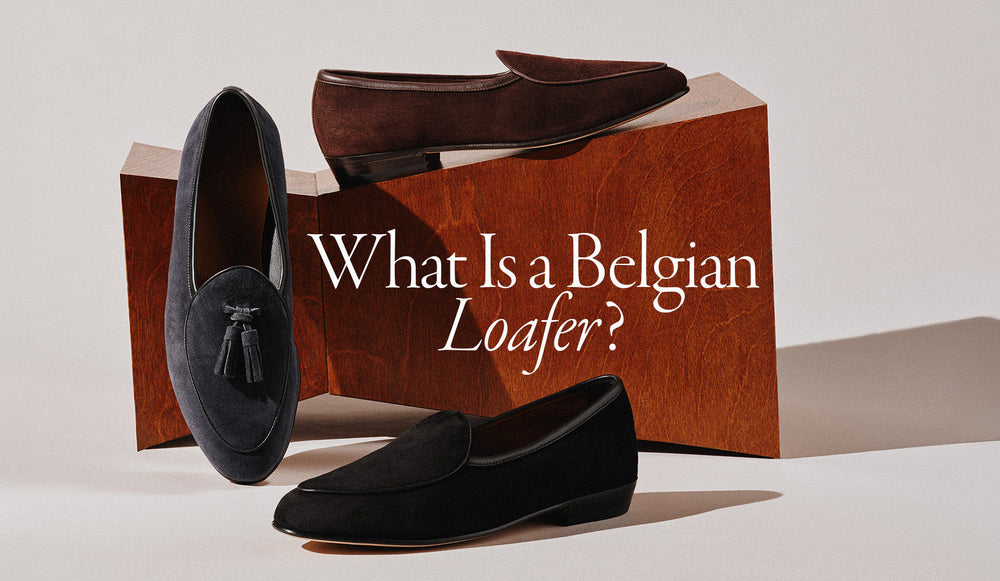
This is what owning a properly hand-crafted Belgian-style loafer makes possible. Every pair we make is fully unlined, breathable, and cushioned for direct contact with the foot. The seasonal arithmetic above is a useful starting point; the wearer's preference is the final word.

Frequently asked questions

Should you wear socks with loafers? Both are correct. Without socks reads more relaxed and is the natural choice in warmer months; with a fine sock reads more formal and is the right answer in cold weather, with a suit, or in formal settings. Either works in our loafers because the construction is fully unlined and breathable.

Is it bad to wear loafers without socks? Only when the loafer has an internal leather lining and a closed environment that traps moisture. For unlined, well-made loafers, going sockless is a comfortable, healthy choice, particularly in warm weather.

What socks should you wear with loafers in winter? A fine over-the-calf sock in a tone close to the trouser. Charcoal with grey flannel, navy with navy, chocolate with chocolate cord. The sock should disappear into the line of the leg, not interrupt it.

Are loafers OK without socks in summer? Yes, and arguably they are at their best. A bare ankle lightens the silhouette and signals warm-weather dressing. Linen trousers, cotton drill, well-cut denim and tailored shorts all sit beautifully against a sockless loafer in a lighter suede.

What about no-show socks: when are they the right call? On travel days, in warm climates where the day's temperature may vary, or for any wearer who simply prefers the protection of a sock without the visible line of one. We make our own Invisible Socks cut purpose-made for the exact topline of the Sagan, woven from a fine linen-cotton blend so they sit unseen and breathe with the foot.

Can you wear loafers without socks with a suit? In a soft, summer-weight suit at a casual setting, a summer wedding in a warm climate, a holiday dinner, yes. In a formal suit, in an office, or for any meeting that reads serious, a fine sock is the considered choice.

Do Baudoin & Lange loafers smell when worn without socks? No, in the brand's experience. The fully unlined construction and the breathable, properly tanned Asteria suede mean there is no internal lining to trap moisture, and the leather wicks rather than absorbs. This is one of the architectural reasons our clientele go sockless with confidence.